Hydrolyzed vs. Non-Hydrolyzed Collagen: Understand the Differences
Collagen is critical for the health of skin, joints, hair and nails.
Currently, there are two main forms available on the market: hydrolyzed collagen and non-hydrolyzed collagen.
Knowing the differences between these two types is essential to choose the product that offers the most benefits according to your specific needs.
In this article, we'll explain the characteristics of hydrolyzed collagen, compare it to non-hydrolyzed collagen, and help you understand which one is best suited for each need.
Enjoy your reading!
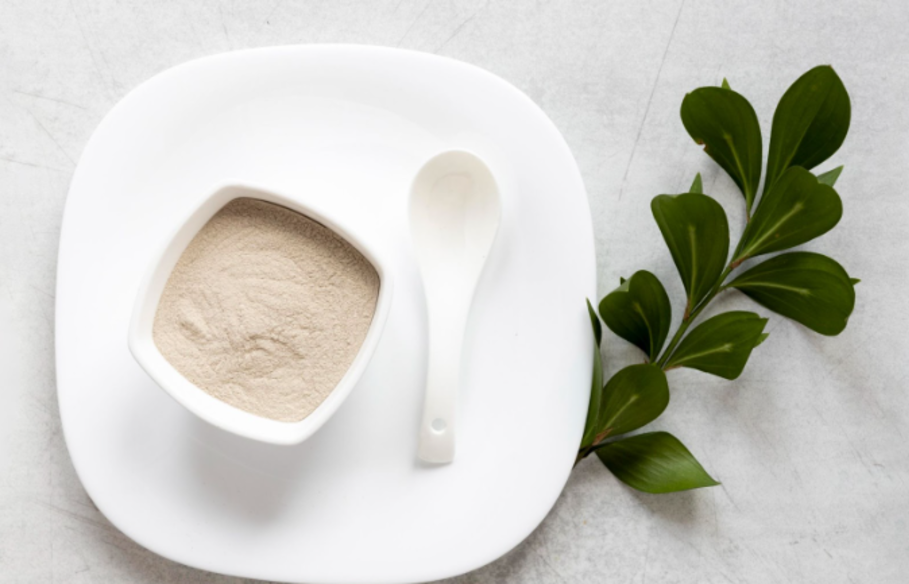
Characteristics of hydrolyzed collagen
Hydrolyzed collagen goes through a process called enzymatic hydrolysis, in which its molecules are broken down into smaller particles called peptides.
This transformation facilitates absorption by the digestive system, making it highly bioavailable in the body. Therefore, hydrolyzed collagen is rapidly absorbed and metabolized, accelerating the results.
In addition, it stands out for the high presence of the amino acids glycine and proline, essential for the regeneration of connective tissues.
Hydrolyzed collagen can be found in various forms, such as powder, capsules and beverages, and has a strong indication to improve skin elasticity and hydration, strengthen hair and nails, and help with joint health.
Key features:
High absorption: Its peptides are absorbed by the intestine much more efficiently.
Increased bioavailability: The body utilizes these peptides quickly.
High solubility: It dissolves easily in cold and hot liquids.
Versatility of applications: Ideal for food supplements, functional beverages, nutraceuticals and food preparation.
Characteristics of non-hydrolyzed collagen
Unlike hydrolysate, non-hydrolyzed collagen keeps its molecular structure intact, without going through the enzymatic breaking process.
Therefore, the molecules are larger and their absorption by the digestive system is different and slower.
This type of collagen has an immunomodulatory action, being very suitable for joint care, as it can help modulate the immune response and reduce inflammation and joint pain.
Typically, non-hydrolyzed collagen is associated with type II collagen, found in cartilage.
Key features:
Intact molecule: It remains in its original structure (triple helix).
Slower absorption: Due to the size of the molecules.
Most common use in food and structural applications: It can be used in the food, pharmaceutical and cosmetic industry.
Low solubility: It requires specific preparation or thermal processes.
Indirect benefits: It does not act directly as a supplement for skin or joints.
Differences between hydrolyzed and non- hydrolyzed collagen
See the table below for the main differences between hydrolyzed and non- hydrolyzed collagen.
Characteristic | Hydrolyzed Collagen | Non-hydrolyzed Collagen |
Molecular structure | Smaller peptides after hydrolysis | Intact molecule (triple helix) |
Absorption | High, fast and efficient | Low and slow |
Bioavailability | High | Reduced |
Solubility | High, dissolves in cold or hot water | Low, requires heat |
Proven benefits | Skin, joints, muscles, bones | More structural and industrial use |
Core applications | Supplements and nutraceuticals | Gelatins and industrial applications |
Scientific studies | Extensive clinical literature | Few studies with aesthetic/health focus |
Which one is best suited for each need?
The choice depends on the goals and needs of each person. Let's get to know the main ones:
- For skin health (beauty and aesthetics);
- For joint and bone health;
- For food industry and culinary use;
- For the production of capsules, films and coatings;
- For functional drinks, shots and premium supplements.
1 - For skin health (beauty and aesthetics)
Most suitable: Hydrolyzed Collagen
- High absorption;
- Direct stimulation of collagen production;
- Proven studies for elasticity and firmness.
2 - For joint and bone health
Most suitable: Hydrolyzed Collagen
- Bioactive peptides act on cartilage tissue;
- Contributes to mobility and reduction of discomfort.
3 - For food industry and culinary use
Most suitable: Non-hydrolyzed Collagen
- Ideal for gelatins
- Production of gums, desserts and stabilizers
4 - For production of capsules, films and coatings
Most suitable: Non-hydrolyzed Collagen
- Original structure is more suitable for technical applications;
5 - For functional drinks, shots and premium supplements
Most suitable: Hydrolyzed Collagen
- Light texture;
- Better dissolution;
- Increased bioavailability.
Conclusion
Both hydrolyzed and non-hydrolyzed collagen have important applications, but different ends.
For those looking for effective supplements for skin, joints, muscles and general health, hydrolyzed collagen stands out for its superior absorption and widely proven results in the scientific literature.
Non-hydrolyzed collagen, on the other hand, is more used in industrial and structural contexts, such as gelatins, films and specific food applications, due to its integral structure and lower bioavailability.
When the goal is to offer high performance products, standardized quality and excellent solubility, especially in functional beverages, nutraceuticals and premium supplements, choosing the right raw material makes all the difference.
In this scenario, GelcoPEP® stands out as a reliable solution, developed to provide high quality collagen peptides, with excellent technological and nutritional profile, composed of type I collagen, is considered highly efficient in postoperative recovery, especially with regard to soft tissue regeneration in skin healing.
In addition, it has a clinical study of GelcoPEP® Flex, which proves its benefits for mobility and joint health, reinforcing its effectiveness and adding even more credibility to the application of the ingredient in formulations aimed at joint well-being.
If you want to know more about hydrolyzed collagen, click here and see our articles!